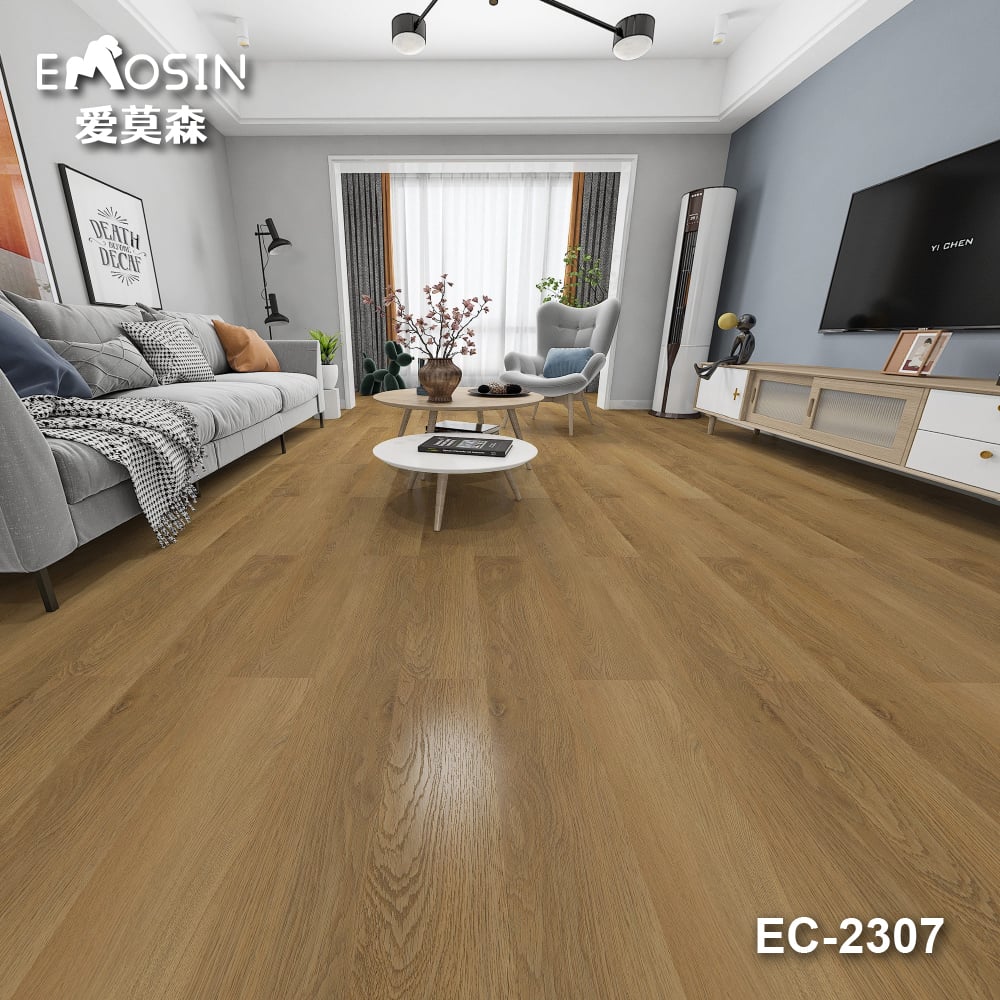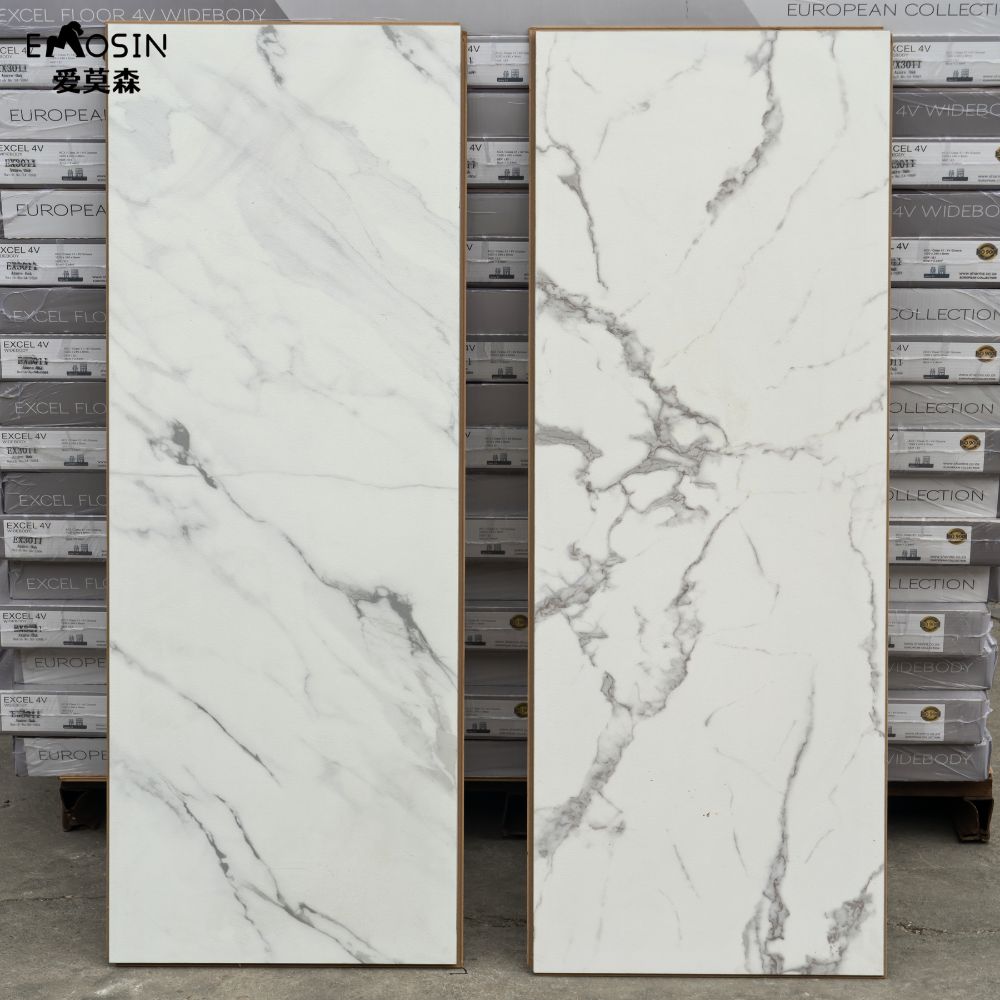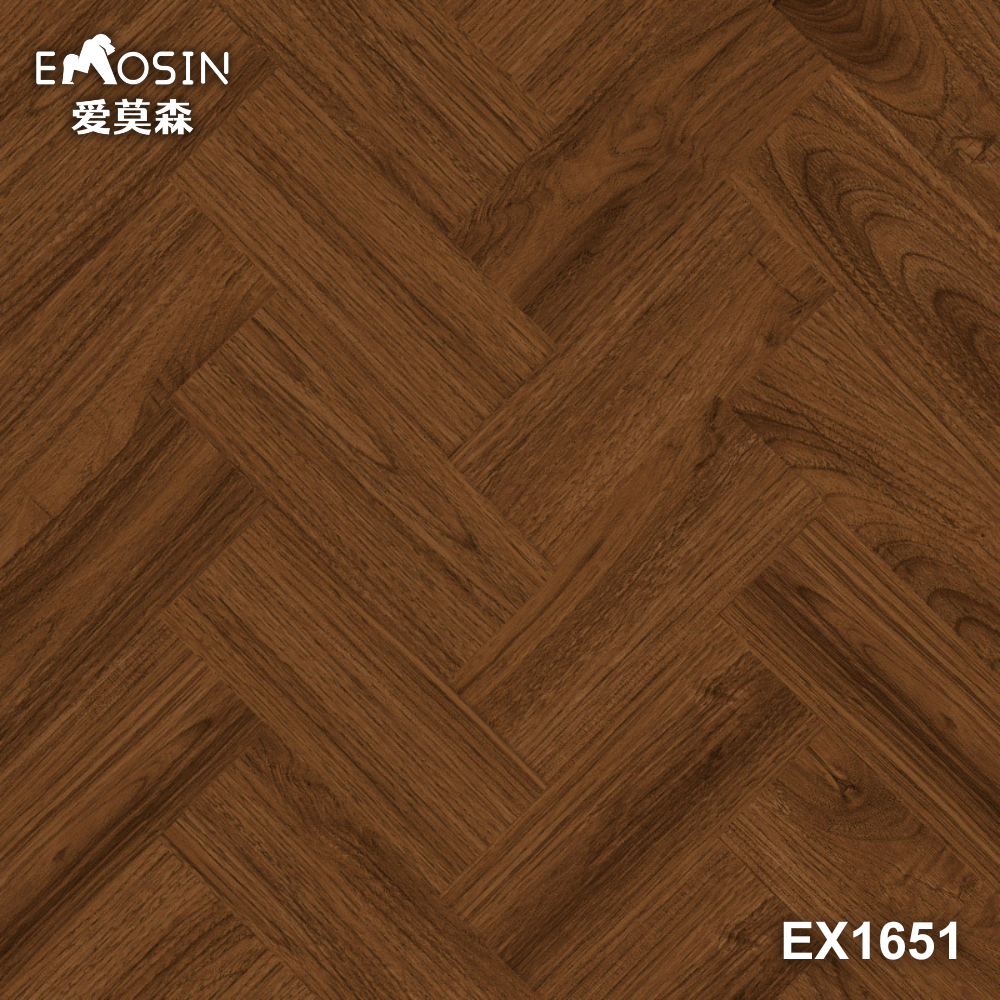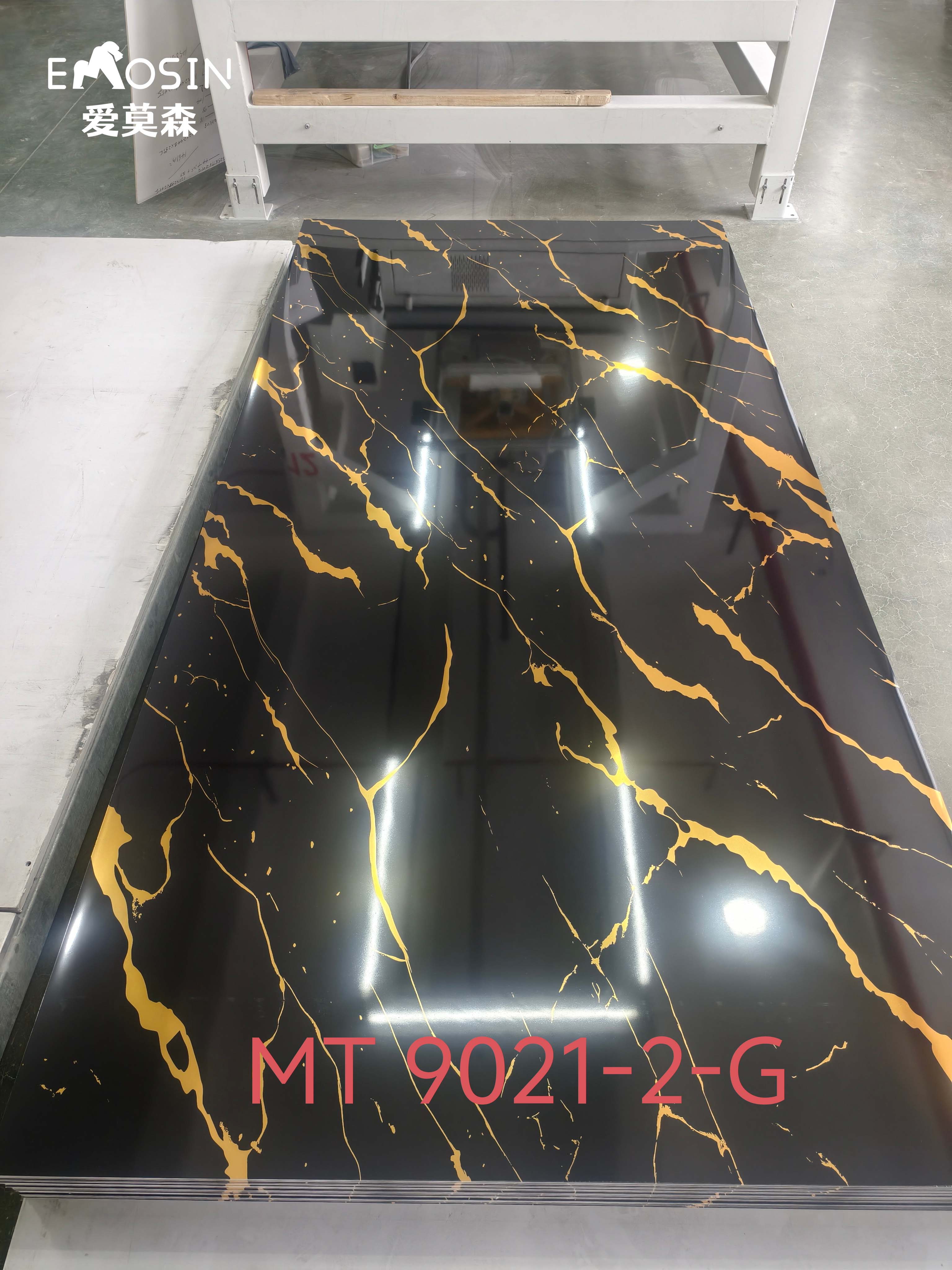
SPC flooring is known for its rigid structure and good dimensional stability. However, it can still warp, curl, or lift under certain conditions.
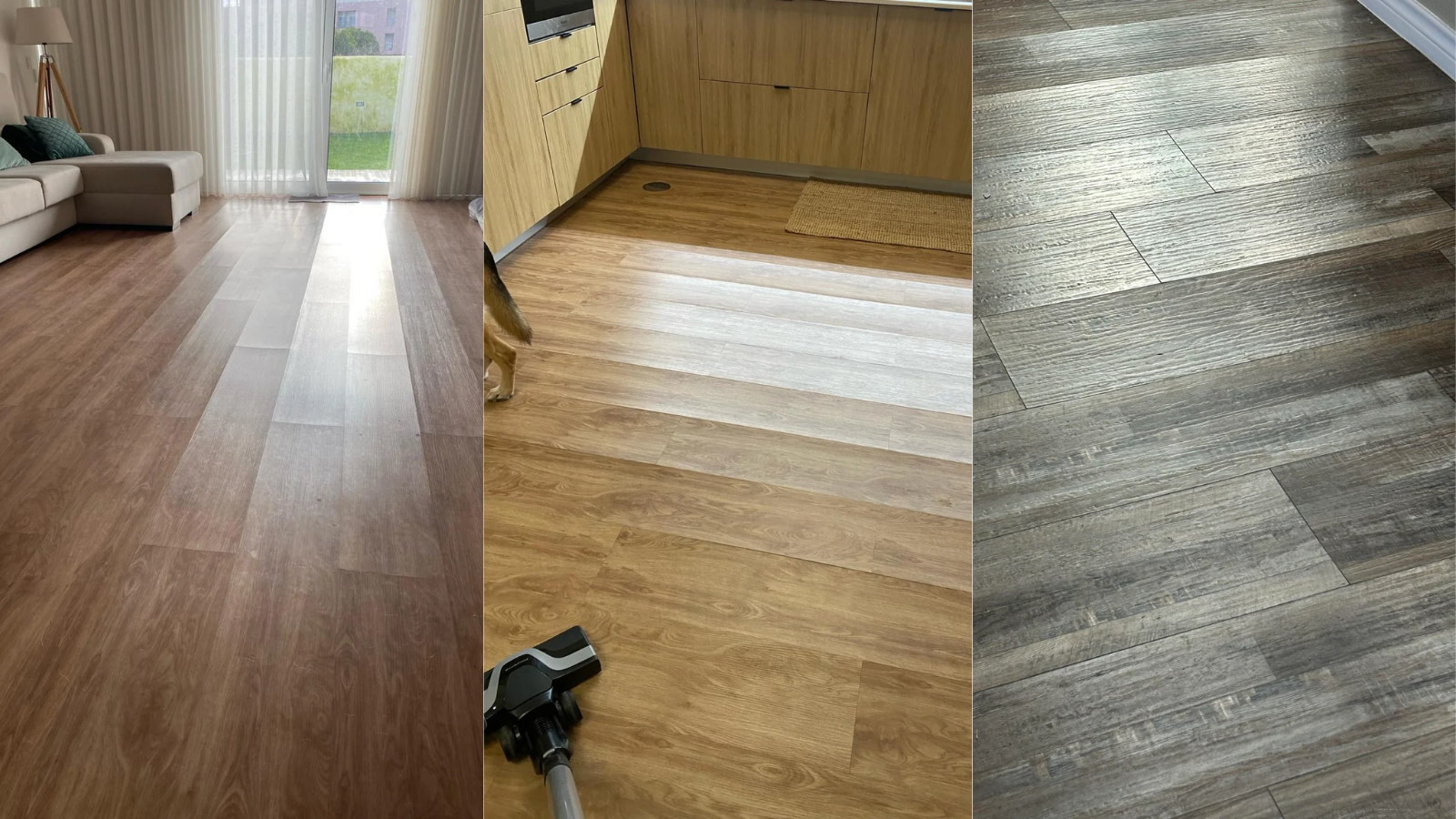
Why does this happen?
The quality of the core materials has a direct impact on SPC flooring performance.
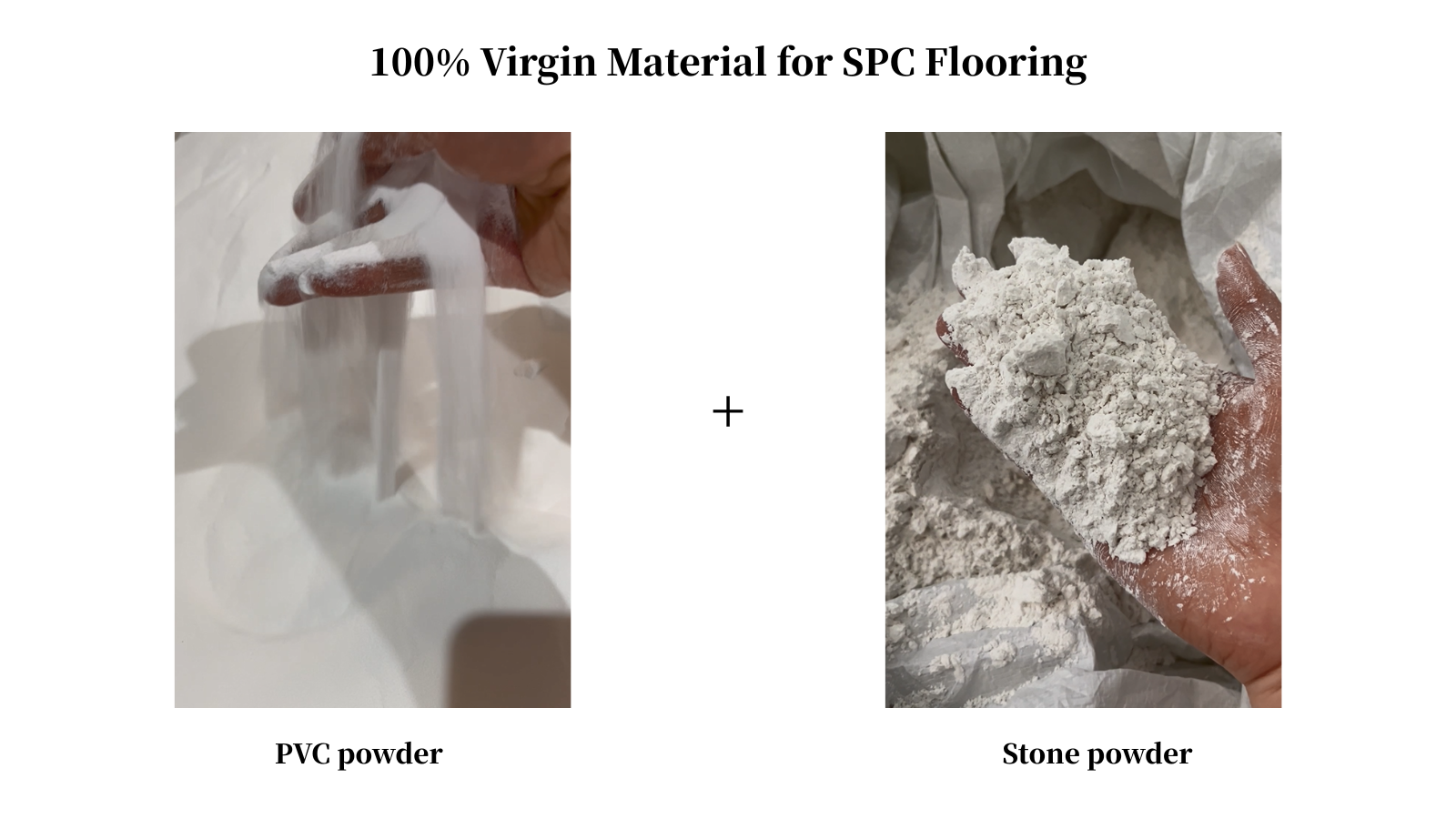
SPC (Stone Plastic Composite) is mainly made from PVC powder and Stone powder. An improper material ratio, inconsistent raw materials, or uneven mixing can affect flooring stability and increase the risk of deformation.
Emosin uses 100% virgin PVC powder and stone powder for its SPC flooring, with a controlled 1:3.2 PVC-to-stone powder ratio. This helps maintain a consistent core structure and stable product performance.
Good raw materials are only part of the equation. The manufacturing process also plays an important role in SPC flooring stability.
During extrusion and cooling, uneven cooling can cause the top and bottom surfaces to shrink at different rates. This creates internal stress and may lead to warping. Variations in thickness or density can also affect the flooring's response to temperature changes.
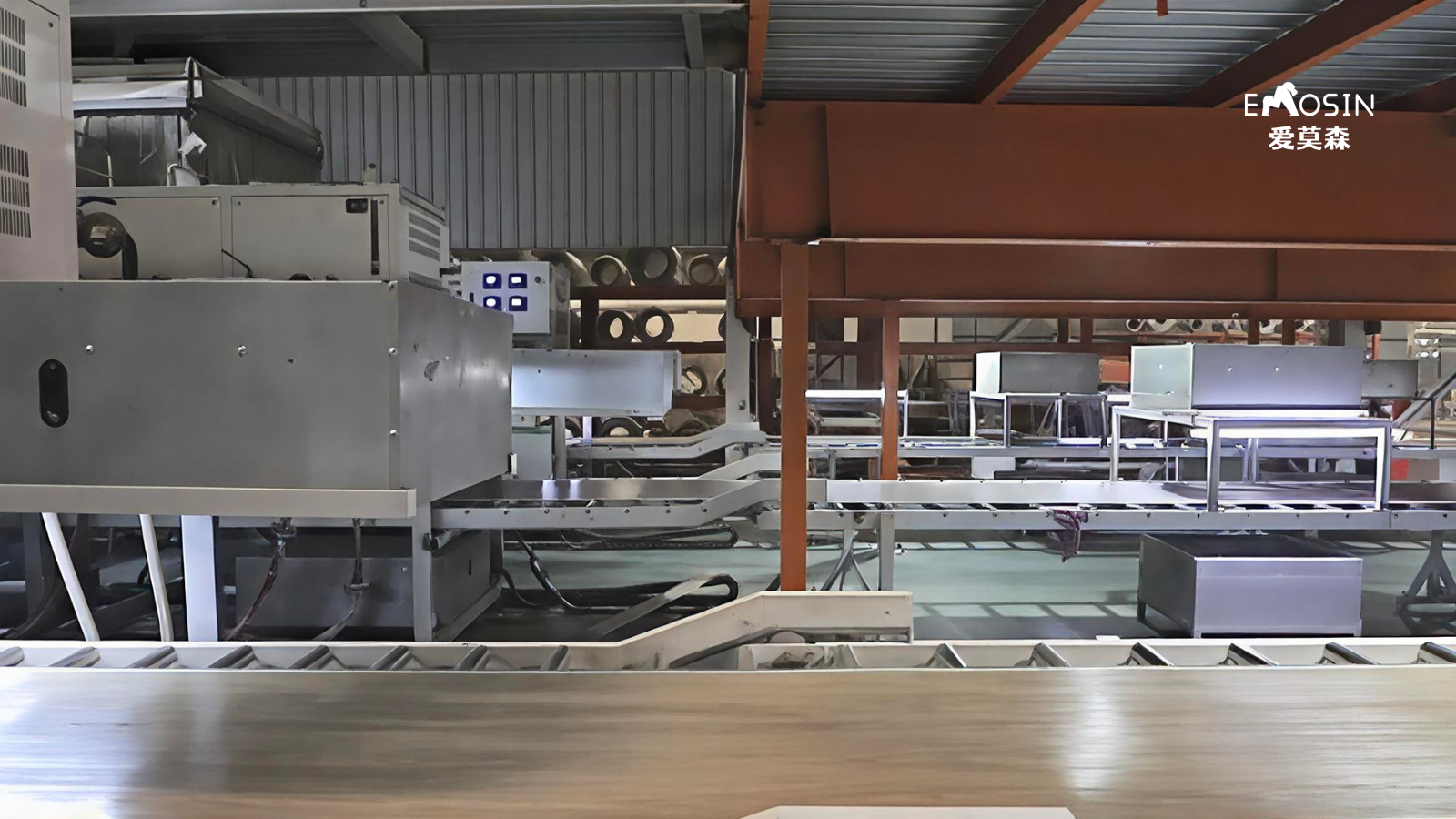
Emosin Factory SPC Extrusion Line
Emosin operates 10 fully automated SPC production lines with automatic cooling systems. Quality checks are carried out throughout the production process to help maintain consistent product quality.
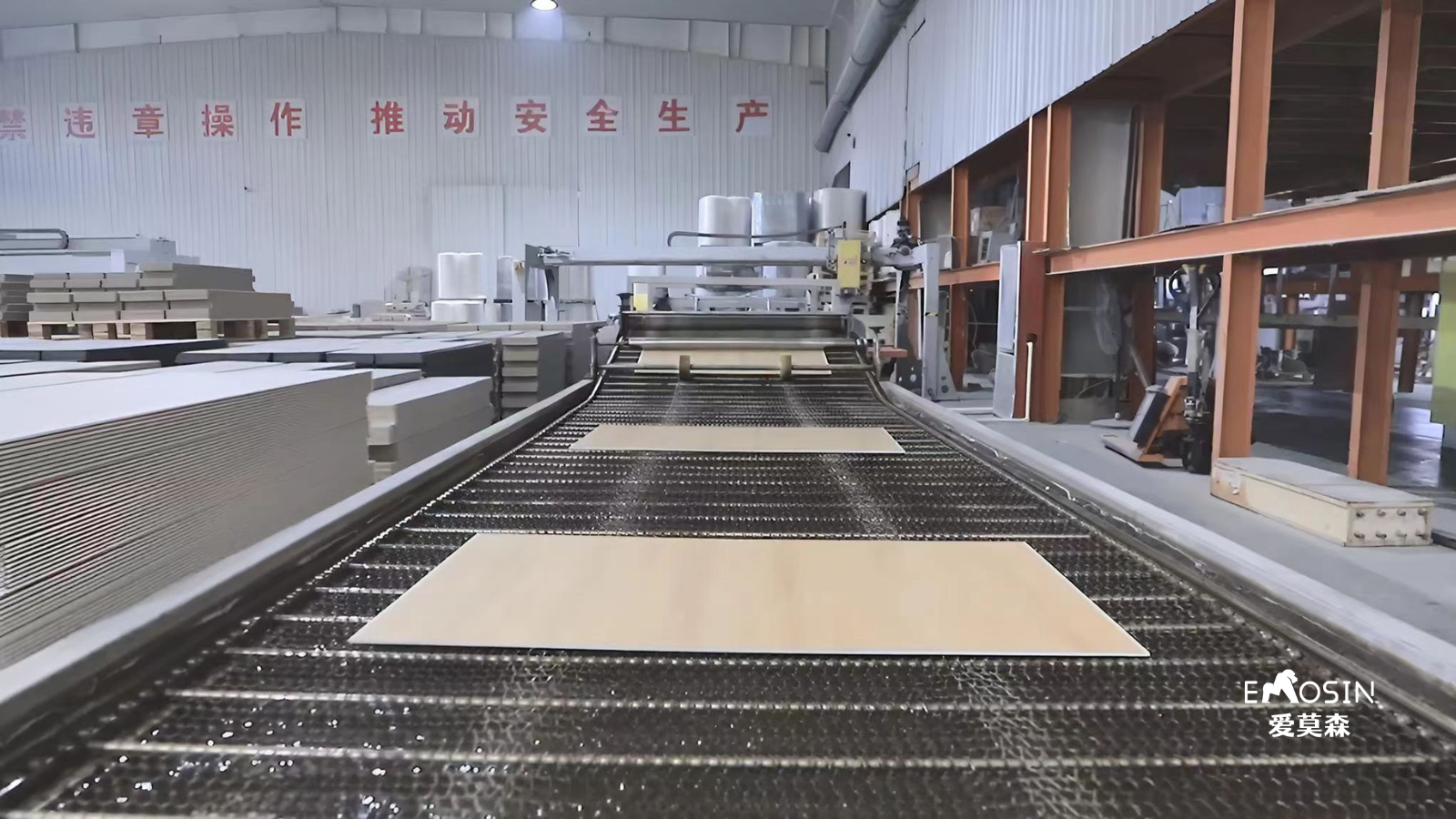
Emosin Factory SPC Cooling Line
3. Surface Coating
The surface layer can also affect the overall stability of an SPC plank.
During UV coating and curing, excessive coating thickness or improper curing conditions can create additional surface stress. In some cases, this may contribute to edge or corner lifting.
UV coating is an integral part of Emosin's SPC production process, with the coating stage carefully controlled as part of the overall manufacturing process.
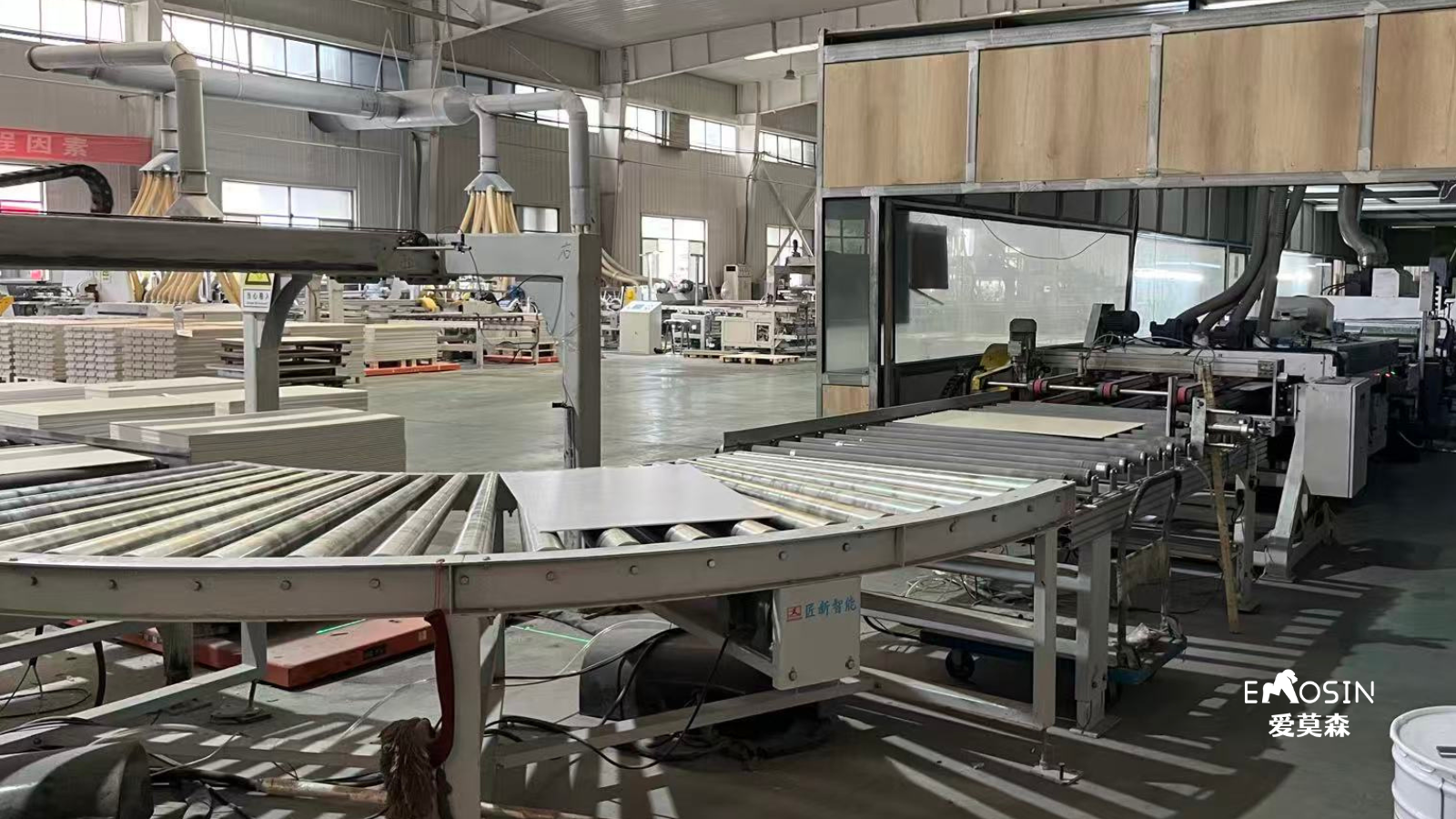
Emosin Factory SPC UV coating Line
4. Storage and Transportation
SPC flooring can also be affected after it leaves the factory, particularly during long-distance transportation.
High temperatures inside shipping containers, improper stacking, or insufficient support can place additional stress on the flooring during transit.
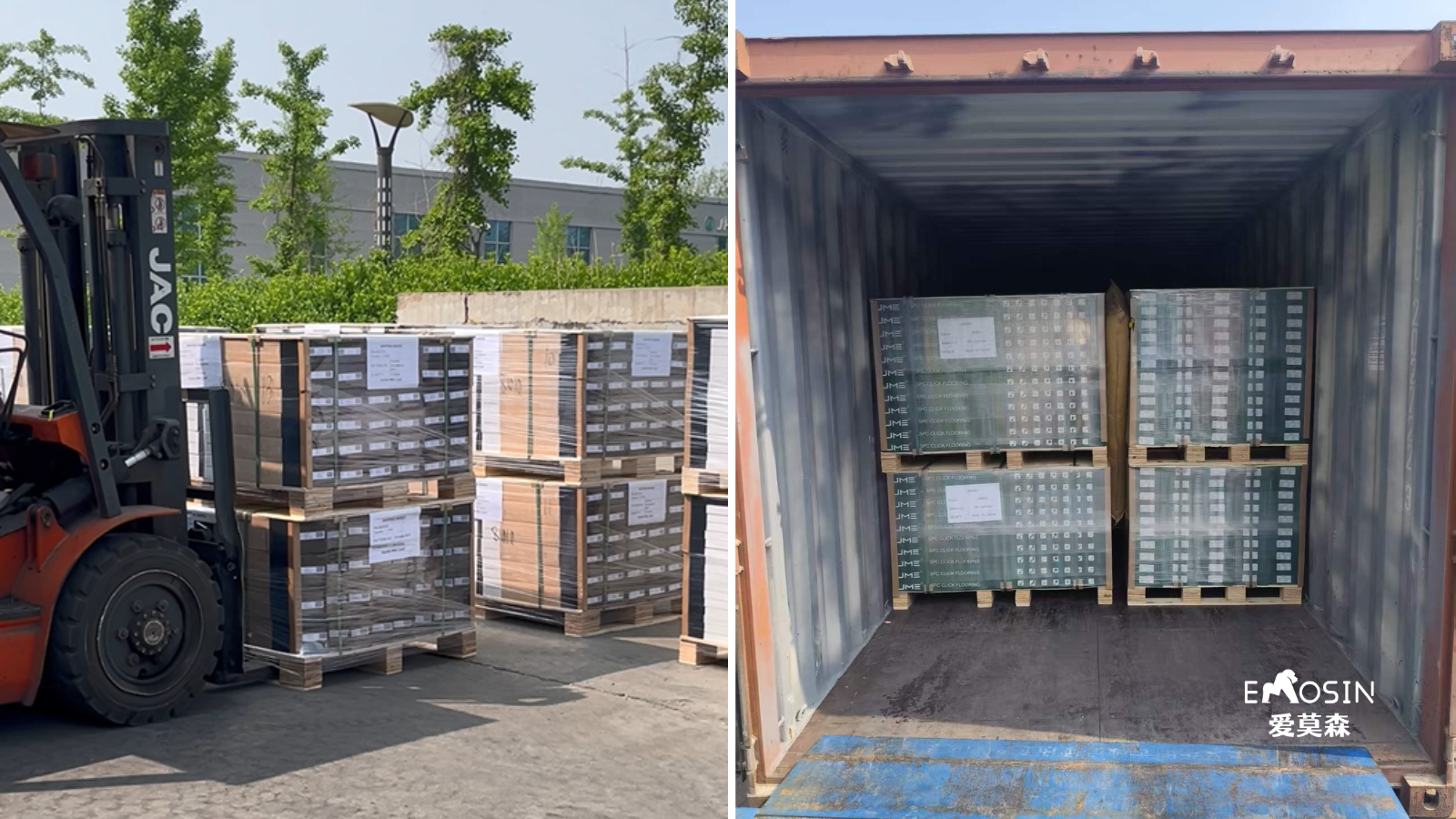
For export shipments, Emosin uses pallet packaging for SPC flooring, with protective measures such as air cushions between pallets to help protect the flooring during loading and transportation.
Even well-made SPC flooring can develop problems when installation conditions are not suitable.
An uneven subfloor, insufficient expansion space, or sudden temperature changes may contribute to lifting or deformation.
Buyers and installers should follow the manufacturer's installation requirements and make sure the installation site is properly prepared.
Conclusion
SPC flooring performance depends on more than the finished plank. Material quality, formulation, manufacturing, transportation, and installation can all affect its long-term dimensional stability.
For B2B buyers, choosing a manufacturer that pays attention to these critical stages can help reduce quality risks.
With controlled raw materials, automated production, process inspection, and export-ready packaging, Emosin provides stable and reliable SPC flooring solutions for global markets.
Stable SPC flooring starts with controlled manufacturing.
 Hot News
2026-07-14
2026-01-09
2026-01-08
2026-01-08
2024-12-30
2024-09-30

Discover Emosin Flooring’s premium SPC and vinyl solutions, available directly at factory wholesale prices. Durable, water-resistant, and easy to install.